
Taylor Swift has never shied away from using her platform to advocate for songwriters—especially women navigating an often male-dominated industry. Recently, she spotlighted SOMBR, an emerging force in music production and artist development, calling it “a breath of fresh air for female songwriters trying to break through.” This endorsement isn’t just celebrity praise; it reflects a deeper shift in how creative ecosystems are being rebuilt to support underrepresented voices.
Swift’s support comes at a pivotal moment. Despite progress, women remain dramatically underrepresented behind the scenes in music—particularly in production, engineering, and executive roles. SOMBR, which operates at the intersection of artist incubation and sonic innovation, has quietly built a reputation for prioritizing female creativity. And now, with Swift’s public nod, the conversation has gone mainstream.
Why SOMBR Stands Out in Artist Development
SOMBR isn’t a record label in the traditional sense. It functions more like a hybrid creative lab—offering writing camps, production mentorship, and collaborative studio access with an explicit focus on amplifying women and gender-diverse creators. Its model flips the script: instead of chasing market-ready hits, it invests in the process.
Swift’s praise zeroes in on this. In a recent interview, she noted, “I’ve seen how SOMBR works with writers who are talented but overlooked. They don’t reshape them into trends—they help them sharpen their own voice.” That philosophy aligns with Swift’s long-standing advocacy for artistic authenticity, from her masters dispute to her re-recording project.
What makes SOMBR different?
- Curated Writing Rooms: They host invitation-only sessions that pair emerging female songwriters with experienced producers—many of whom are women themselves.
- Ownership-First Contracts: Artists retain full rights to their work, a rarity in development deals.
- Mental Health Integration: Sessions include access to creative coaches and therapists, recognizing the emotional weight of songwriting.
- Technical Training: Many participants receive hands-on training in DAWs, mixing, and publishing—skills historically gatekept in the industry.
Swift knows this terrain well. She started writing songs as a teenager, often as the only woman in the room. Her recognition of SOMBR’s model isn’t just praise—it’s validation of a system that could have helped her earlier career.
The Gender Gap in Music Production For every female lead artist, there are far fewer women shaping the sound behind the scenes. According to USC’s Annenberg Inclusion Initiative, only 2.6% of music producers are women. That number drops further for women of color.
This imbalance isn’t accidental. It’s systemic. Young female songwriters often face skepticism about their technical abilities, pressure to conform to commercial tropes, or exclusion from informal networks where collaborations form.

SOMBR attacks these barriers head-on. By creating closed, supportive environments, they give writers space to experiment without fear of dismissal. One participant, a 24-year-old indie pop writer from Nashville, said, “In my first SOMBR camp, I brought in a song with weird time signatures and vocal layering. Instead of suggesting I ‘simplify it,’ the producer said, ‘Let’s make it weirder.’ That never would’ve happened elsewhere.”
Swift understands how pivotal those moments are. She’s spoken about being told early in her career that her lyrics were “too detailed” or “too personal.” Her support for SOMBR underscores a belief: the industry doesn’t need more conformity—it needs more spaces where unique voices are nurtured, not neutered.
How SOMBR Is Changing Songwriting Culture
SOMBR’s influence extends beyond individual artists. It’s fostering a cultural shift in how songwriting is taught, credited, and valued.
Traditionally, songwriting development has been opaque—relying on connections, unpaid internships, or sheer luck. SOMBR replaces that with structure and transparency:
- Credit Education: They teach writers how to navigate splits, publishing rights, and PRO registration.
- Collaborative Ethics: Clear guidelines ensure all contributors are acknowledged—no more “vibe credits” that erase labor.
- Demo-to-Release Pathways: Unlike many incubators that stop at songwriting, SOMBR helps place tracks with artists or supports independent releases.
Swift’s music has always centered storytelling and ownership—two values SOMBR embodies. Her re-recordings, for example, were about control over narrative and legacy. By praising SOMBR, she’s endorsing a future where more women can claim both.
Real Impact: Stories from SOMBR Alumni
Numbers tell part of the story. But the real proof is in the work being made.
Take Lila Cruz, a queer Chicana songwriter who joined a SOMBR camp after years of pitching songs without success. With SOMBR’s support, she co-wrote a track that was later recorded by a major-label pop artist—and retained her publishing share. “I wasn’t just a hired pen,” she said. “I was a creator with rights.”
Or consider Naomi Park, a producer-songwriter who entered the industry through SOMBR’s technical training program. She now runs her own studio and mentors emerging women in production. “SOMBR didn’t just give me skills,” she said. “They gave me permission to take up space.”
Swift’s praise resonates because she’s lived this journey. From her early days defending her songwriting credits to her current battles over ownership, she knows what it means to have—or lack—support structures. Her endorsement isn’t symbolic; it’s strategic, shining a light on a model that works.
Why Swift’s Voice Matters in
This Space
When Taylor Swift speaks about songwriting, the industry listens. Her influence extends beyond fandom—it shapes investment, policy, and peer behavior.
Her praise for SOMBR is more than a compliment. It’s a signal to labels, publishers, and aspiring writers: This is what support should look like.
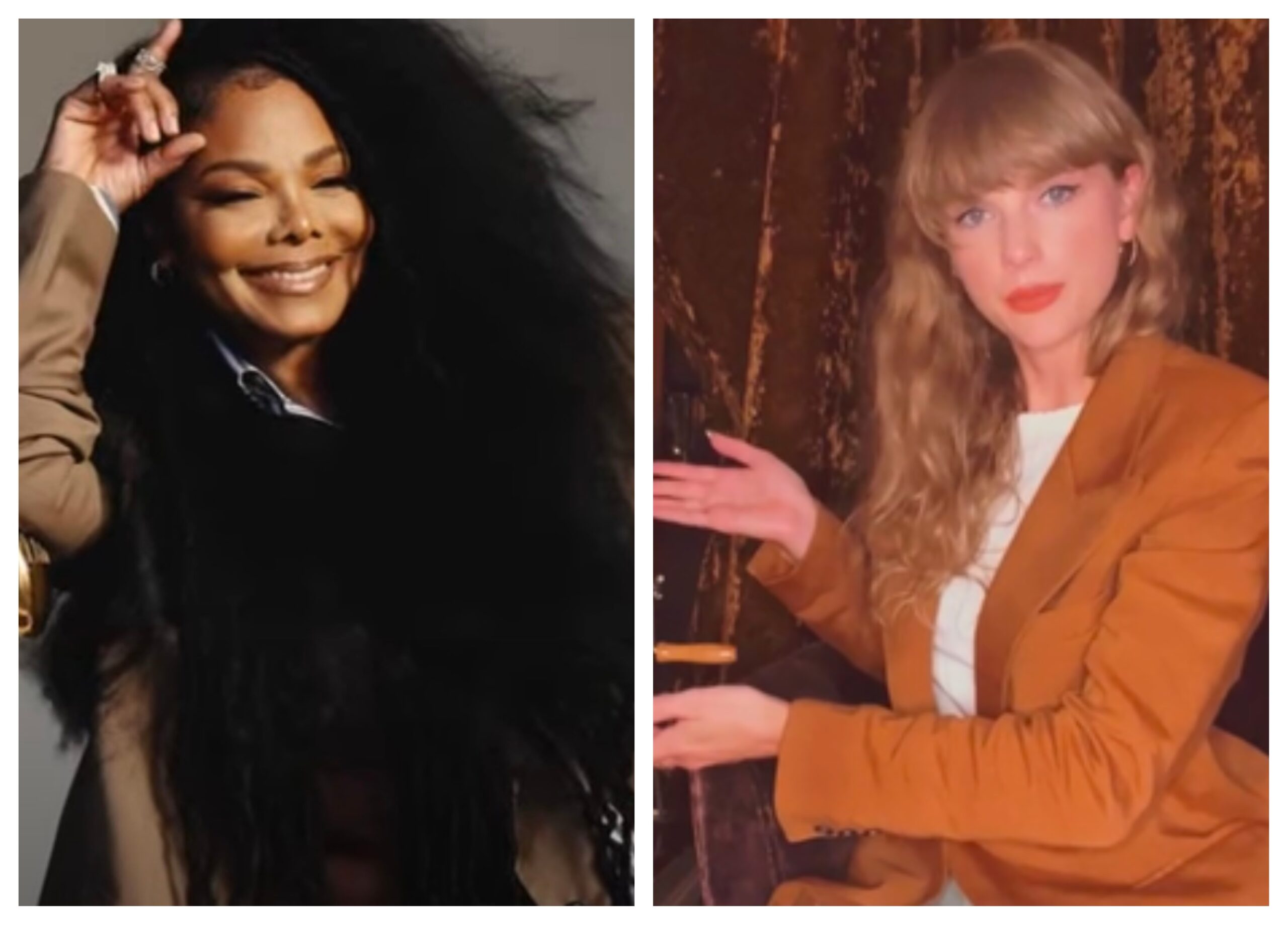
Her advocacy has already changed norms. After her public disputes over master recordings, more artists began negotiating ownership clauses. Streaming platforms added songwriter credits. Now, by elevating SOMBR, she’s pushing the conversation further—toward equitable development, not just fair pay.
It also reframes what “success” means. SOMBR doesn’t measure wins by chart positions alone. It tracks retention, confidence, and creative ownership—metrics Swift has long championed. In a world obsessed with virality, that’s radical.
How Aspiring Female Songwriters Can Leverage
This Momentum
SOMBR isn’t the only option—but it’s a blueprint. For women trying to build careers in songwriting, here’s how to apply its principles:
- Seek Collaborative Environments That Prioritize Growth Over Hits
- Avoid writing camps that pressure you to “crank out singles.” Look for spaces that value experimentation and voice.
- Educate Yourself on Rights and Publishing
- Know the difference between mechanical and performance royalties. Register with a PRO (ASCAP, BMI, etc.). SOMBR offers free webinars—others provide similar resources.
- Build Technical Skills
- You don’t need to be an engineer, but understanding production gives you leverage. Learn basic Logic or Ableton workflows. Even Swift produces her own demos.
- Demand Clear Credit Agreements
- Before co-writing, discuss splits in writing. Use tools like SongSplits or split sheets. No more handshake deals.
- Find Mentorship Beyond Fame
- SOMBR pairs writers with mentors based on fit, not fame. Seek guidance from working professionals—not just stars.
- Protect Your Mental Energy
- Songwriting is personal. If a space feels exploitative or dismissive, walk away. Your voice is not disposable.
Swift’s praise for SOMBR isn’t just about one organization—it’s about a standard. The fact that she noticed it means the model is working. And now, others will follow.
The Bigger Picture: A New Era for Women in Music
Taylor Swift’s career has mirrored the evolution of female agency in pop music. From country prodigy to genre-defying auteur, she’s rewritten the rules at every turn. Her endorsement of SOMBR isn’t a sidebar—it’s a continuation of that mission.
The music industry doesn’t need more “girl power” slogans. It needs infrastructure—real systems that develop, protect, and promote female songwriters from the ground up. SOMBR offers one version of that. Swift’s praise accelerates its reach.
For the next generation of writers, this moment matters. It means there are now proven alternatives to the old gatekeepers. It means your voice can be both personal and powerful. It means you don’t have to wait for permission.
Support isn’t just about visibility. It’s about access, ownership, and respect. Taylor Swift knows that. And now, thanks to her spotlight on SOMBR, more people are starting to understand it too.
Take action: Research artist development programs with transparent practices. Apply to writing camps that prioritize equity. And above all—write like no one’s listening. Because eventually, the right people will.
FAQ
What should you look for in Taylor Swift Praises SOMBR as Boost for Female Songwriters? Focus on relevance, practical value, and how well the solution matches real user intent.
Is Taylor Swift Praises SOMBR as Boost for Female Songwriters suitable for beginners? That depends on the workflow, but a clear step-by-step approach usually makes it easier to start.
How do you compare options around Taylor Swift Praises SOMBR as Boost for Female Songwriters? Compare features, trust signals, limitations, pricing, and ease of implementation.
What mistakes should you avoid? Avoid generic choices, weak validation, and decisions based only on marketing claims.
What is the next best step? Shortlist the most relevant options, validate them quickly, and refine from real-world results.