
Most people don’t write letters often—but when they do, expectations are high. Whether it’s a job application, a complaint, or a heartfelt note, the structure and tone can make or break the outcome. A poor template leads to awkward phrasing, missed details, or a tone that feels off. That’s why knowing where to start—and which template fits your scenario—matters more than raw writing talent.
A good letter template isn’t a script. It’s a framework that ensures clarity, professionalism, and emotional precision. This guide delivers real, usable templates backed by practical advice—what works, what doesn’t, and how to adapt fast.
Why Templates Work (And When They Backfire)
Templates exist for consistency, not laziness. When done right, they speed up writing while maintaining quality. When misused, they create robotic, impersonal messages that damage credibility.
The power of a strong template: - Ensures all critical sections are included - Maintains proper tone and structure - Saves time without sacrificing clarity
Common template pitfalls: - Copy-pasting without adjusting tone - Using outdated formats (e.g., “To Whom It May Concern” by default) - Forgetting to personalize key sections like the opening or closing
For example, sending a generic cover letter template to three different companies often results in weak impact. But using a modular template—where only specific sections (like company name, job title, and skills) are swapped—keeps the tone consistent while feeling tailored.
Formal Business Letter Template (With Example)
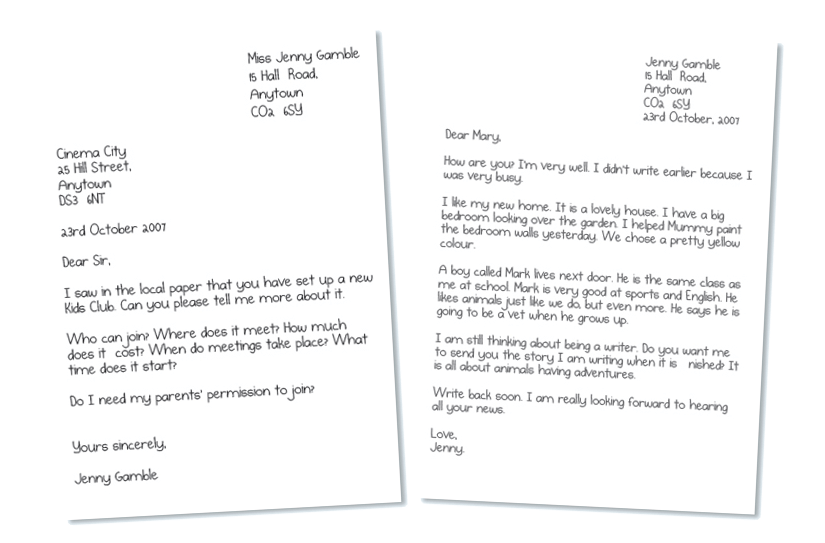
Use this for job applications, official complaints, inquiries, or formal announcements.
Structure:
[Your Name] [Your Address] [City, State, ZIP Code] [Email Address] [Phone Number] [Date]
[Recipient Name] [Recipient Title] [Company Name] [Company Address] [City, State, ZIP Code]
Dear [Mr./Ms./Dr. Last Name or Specific Title],
Opening: State your purpose clearly. Middle: Provide context, details, or supporting points. Closing: Call to action or next steps.
Sincerely, [Your Name]
Real Example: Formal Job Application
John Miller 452 Oak Street Denver, CO 80202 john.miller@email.com (303) 555-0198 April 5, 2024
Hiring Manager Marketing Division BrightPath Solutions 789 Main Avenue Denver, CO 80203
Dear Hiring Manager,
I am writing to express my interest in the Senior Marketing Coordinator position at BrightPath Solutions, as advertised on LinkedIn. With over five years of experience in digital campaign management and brand strategy, I am confident in my ability to contribute to your team’s success.
In my previous role at NovaEdge Inc., I led a social media rebranding campaign that increased engagement by 68% within six months. I specialize in data-driven content planning and cross-channel outreach—skills I believe align with your current growth objectives.
I would welcome the opportunity to discuss how my background can support your marketing initiatives. My resume is attached for your review.
Sincerely, John Miller
Pro Tip: Always use letterhead or a clean, professional font (like Arial, Calibri, or Times New Roman, 11–12 pt). Avoid excessive formatting.
Personal Letter Template (Friendly, Emotional, or Appreciative)
Personal letters don’t follow rigid rules, but structure still matters. Whether thanking a mentor or reconnecting with a friend, clarity and warmth should coexist.
Structure:
[Your Name] [Your Address] – optional [Date]
Dear [First Name],
Opening: Friendly greeting and purpose Body: Share updates, memories, or feelings Closing: Warm sign-off
Warmly, [Your Name]
Real Example: Thank-You Letter to a Mentor
April 5, 2024
Dear Maria,
:max_bytes(150000):strip_icc()/sample-letter-format-2063479-Final-edit-818c959e2de34d6b99e3b4823669ac58.jpg)
I’ve been meaning to write and thank you for the guidance you’ve given me over the past year. When I started at the nonprofit, I felt uncertain about my role, but your regular check-ins and advice helped me find my footing.
Your suggestion to focus on community storytelling transformed how I approach outreach. The recent fundraising campaign we ran succeeded in part because of that strategy—and I owe much of that insight to you.
I’m now leading a new initiative focused on youth engagement, and I’ll be applying many of the lessons you taught me. Thank you again for your time and support.
Warmly, Jamal
Mistake to Avoid: Don’t over-formalize personal letters. “Dear Mr. Thompson” may feel stiff if you’re close. Match tone to relationship.
Email Letter Template (Modern, Concise, Professional)
Emails are letters too—just faster. But many people skip structure, leading to vague or unprofessional messages.
Structure:
Subject: Clear and specific
Hi [First Name],
I hope you’re doing well. I’m reaching out about [purpose].
[1–2 short paragraphs with key details or requests]
Let me know if you’d like to discuss further.
Best regards, [Your Name] [Your Title, if relevant] [Contact Info – optional]
Real Example: Follow-Up After a Meeting
Subject: Follow-Up on Marketing Strategy Discussion
Hi Lisa,
I enjoyed our conversation yesterday about the Q3 campaign rollout. Thank you for the thoughtful feedback on the content calendar.
As discussed, I’ll revise the timeline to prioritize the social media push in early June and share the updated version by Monday. I’ve also included analytics from the last campaign for reference.
Let me know if you’d like to schedule a quick call to review.
Best regards, Jordan Chen Marketing Lead
Workflow Tip: Save email templates in your Gmail or Outlook signatures folder. Label them (e.g., “Follow-Up,” “Introductions”) for quick access.
Complaint or Request Letter Template (Polite but Firm)
Tone is everything here. You want action, not conflict.
Structure:
[Your Info] [Date]
[Recipient Name/Department] [Organization] [Address]
Dear [Title or Department Name],
I am writing to report an issue with [product/service/situation]. On [date], I [describe event briefly].
[Explain impact: inconvenience, loss, or concern] [State desired resolution: refund, replacement, apology, etc.]
I would appreciate a response by [reasonable deadline]. You can reach me at [contact info].
Sincerely, [Your Name]
Real Example: Defective Product Complaint
May 10, 2024
Customer Support TechGear Inc. 123 Innovation Blvd. Austin, TX 78701
Dear Customer Support Team,
I am writing to report a defect with the wireless headphones I purchased from your website on April 28 (Order #TG7742). Upon first use, the left earpiece produced no sound, despite multiple charging attempts.
I’ve followed all troubleshooting steps in the manual without success. This is disappointing, as I rely on these for daily work calls.
I would like a replacement pair shipped as soon as possible or a full refund if unavailable. Please respond by May 17 so I can plan accordingly. You can reach me at rachel@workemail.com or (512) 555-0134.
Sincerely, Rachel Torres
Key Principle: Be specific, factual, and polite. Anger reduces the chance of resolution.
Cover Letter Template (Job Application Focus) This is where templates shine—but customization is non-negotiable.
Structure:
[Your Name] [Contact Info] [Date]
[Hiring Manager Name] [Company] [Address]
Dear [Hiring Manager Name],
I’m excited to apply for the [Job Title] role at [Company]. With my experience in [relevant field], I’m confident I can help [solve specific problem or achieve goal].
At [Previous Company], I [achievement with metric]. This demonstrates my ability to [relevant skill]. I’m particularly drawn to [specific company value, project, or mission].
I’d welcome the chance to discuss how I can contribute to your team. Thank you for your time and consideration.
Sincerely, [Your Name] [Resume Attached]
Critical Mistake: Never use “To Whom It May Concern.” Spend 5 minutes searching LinkedIn or the company site to find a name.
When to Skip the Template (And Write Freestyle)
Templates are tools, not rules. Some situations demand originality:
- Eulogies or condolence letters
- Love letters or deeply personal messages
- Creative pitches or artistic proposals
In these cases, a rigid format can feel cold. Use a loose structure as a guide, but let emotion and authenticity lead.
That said, even freestyle letters benefit from a clear arc: opening, body, and closing. The difference is flexibility in tone and depth.
5 Free Tools for Customizing Letter Templates
- Microsoft Word Templates
- - Pros: Built-in, professional designs, easy to edit
- - Best for: Formal letters, resumes, cover letters
- Google Docs Template Gallery
- - Pros: Cloud-based, collaborative, free
- - Best for: Team projects, quick drafts, email letters
- Canva Letter Templates
- - Pros: Visually appealing, great for creative letters
- - Best for: Invitations, personal notes, thank-you cards
- HubSpot Free Email Templates
- - Pros: Sales and business-focused, mobile-optimized
- - Best for: Professional outreach, follow-ups
- Template.net (Free Section)
- - Pros: Large variety, niche use cases (e.g., eviction, resignation)
- - Cons: Many require signup; vet for outdated formats
- - Best for: Legal-adjacent or rare letter types
Caution: Always review templates from third-party sites for accuracy. Some include outdated salutations or incorrect spacing.
Final Tips for Using Letter Templates Effectively
- Always customize: Replace placeholders, adjust tone, and verify names.
- Keep it concise: One page is ideal for formal letters.
- Proofread twice: Read aloud to catch awkward phrasing.
- Know your audience: A letter to a government agency differs from one to a friend.
- Save your variations: Once you refine a template, save it as “Cover Letter – Tech Roles” or “Complaint – Shipping Issues” for reuse.
Templates are starting points—not destinations. The best letters blend structure with sincerity. Use them to avoid missteps, but let your voice carry the message.
Start with a solid template. Finish with authenticity.
1. What should I include in a formal letter? Your name, contact info, date, recipient’s details, clear subject, structured body, and professional closing.
2. Can I use a template for a personal letter? Yes, but keep it flexible. Focus on tone and emotion over strict formatting.
3. How do I personalize a letter template? Insert specific names, reference real events, and adjust language to match your relationship with the recipient.
4. Are email letters less formal than printed ones? Not necessarily. Business emails should still be structured and professional, especially with new contacts.
5. What’s the best font for a letter? Use clean, readable fonts like Arial, Calibri, or Times New Roman in 11–12 pt size.
6. Should I always include my address in a letter? Yes in formal printed letters. Optional in emails unless required (e.g., legal correspondence).
7. How long should a letter be? Ideally one page. Get to the point quickly and keep paragraphs short.
FAQ
What should you look for in Best Letter Writing Templates for Any Situation? Focus on relevance, practical value, and how well the solution matches real user intent.
Is Best Letter Writing Templates for Any Situation suitable for beginners? That depends on the workflow, but a clear step-by-step approach usually makes it easier to start.
How do you compare options around Best Letter Writing Templates for Any Situation? Compare features, trust signals, limitations, pricing, and ease of implementation.
What mistakes should you avoid? Avoid generic choices, weak validation, and decisions based only on marketing claims.
What is the next best step? Shortlist the most relevant options, validate them quickly, and refine from real-world results.